In the professional landscape of 2025, LinkedIn brand awareness isn’t just a marketing tactic—it’s a strategic imperative. With over 810 million professionals worldwide, LinkedIn offers an unparalleled opportunity to position your brand in front of decision-makers, industry leaders, and potential partners. But in an increasingly crowded digital space, how do you cut through the noise and build genuine brand recognition that translates into business growth?
This comprehensive guide will walk you through the exact strategies and techniques needed to build a powerful brand presence on LinkedIn. From optimizing your company page to leveraging advanced advertising features like Thought Leader Ads, you’ll learn how to create a LinkedIn brand awareness strategy that delivers measurable results and positions your company as an industry authority.
- Why LinkedIn Brand Awareness Matters in 2025
- Foundation: Optimizing Your LinkedIn Presence
- Content Strategy for Maximum Visibility
- Leveraging LinkedIn Thought Leader Ads
- Employee Advocacy: Multiplying Your Reach
- Engagement and Community Building
- Measuring Your Brand Awareness Success
- FAQs: LinkedIn Brand Awareness
Why LinkedIn Brand Awareness Matters in 2025
LinkedIn brand awareness is more than just accumulating followers—it’s about creating top-of-mind recognition among your target audience when they’re in a professional mindset. According to recent studies, LinkedIn was one of the top three most trusted platforms among social media sites, making it an ideal environment for building credible brand presence.
Reach Decision-Makers Directly
LinkedIn provides direct access to executives, managers, and professionals who have purchasing power and influence within their organizations.
Establish Thought Leadership
Consistent, valuable content positions your brand as an authority in your industry, building trust with potential customers.
Influence Buying Committees
As highlighted by LinkedIn’s marketing solutions, effective brand awareness can influence entire buying committees, creating multiple touchpoints within target accounts.
Cost-Effective Lead Generation
Strong brand awareness makes future lead generation efforts more effective and cost-efficient, as prospects are already familiar with your brand.
The benefits extend beyond mere visibility. When one member of a buying committee reaches out to another and says, “Hey, should we take a look at this solution from Company X?” and the other responds, “Oh yeah, I know them, they share a lot of great content on LinkedIn,” that’s the ultimate sign you’re getting brand awareness right.
Foundation: Optimizing Your LinkedIn Presence
Before implementing advanced strategies, you must ensure your LinkedIn foundation is solid. An optimized presence increases your visibility in LinkedIn search results and makes a strong first impression on visitors.
Company Page Optimization
Your LinkedIn Company Page serves as your brand’s headquarters on the platform. According to LinkedIn data, pages with complete information get 30% more weekly views. Here’s how to optimize yours:
- Logo and Cover Image: Use high-quality, professionally designed visuals that reflect your brand identity
- Compelling “About” Section: Incorporate relevant keywords naturally while clearly explaining your value proposition
- Website URL and Contact Information: Make it easy for prospects to connect with you outside of LinkedIn
- Showcase Pages: For larger organizations, create dedicated showcase pages for specific products, services, or business units
- Regular Updates: Keep your page fresh with current information, news, and featured content
Pro Tip: Use relevant keywords throughout your Company Page content to improve visibility in LinkedIn search results and external search engines. Think about what your ideal customers would search for when looking for solutions you provide.
Personal Profile Optimization
While your Company Page is crucial, don’t neglect personal profiles—especially for executives and customer-facing team members. These profiles often rank highly in search results and contribute significantly to your overall brand perception.
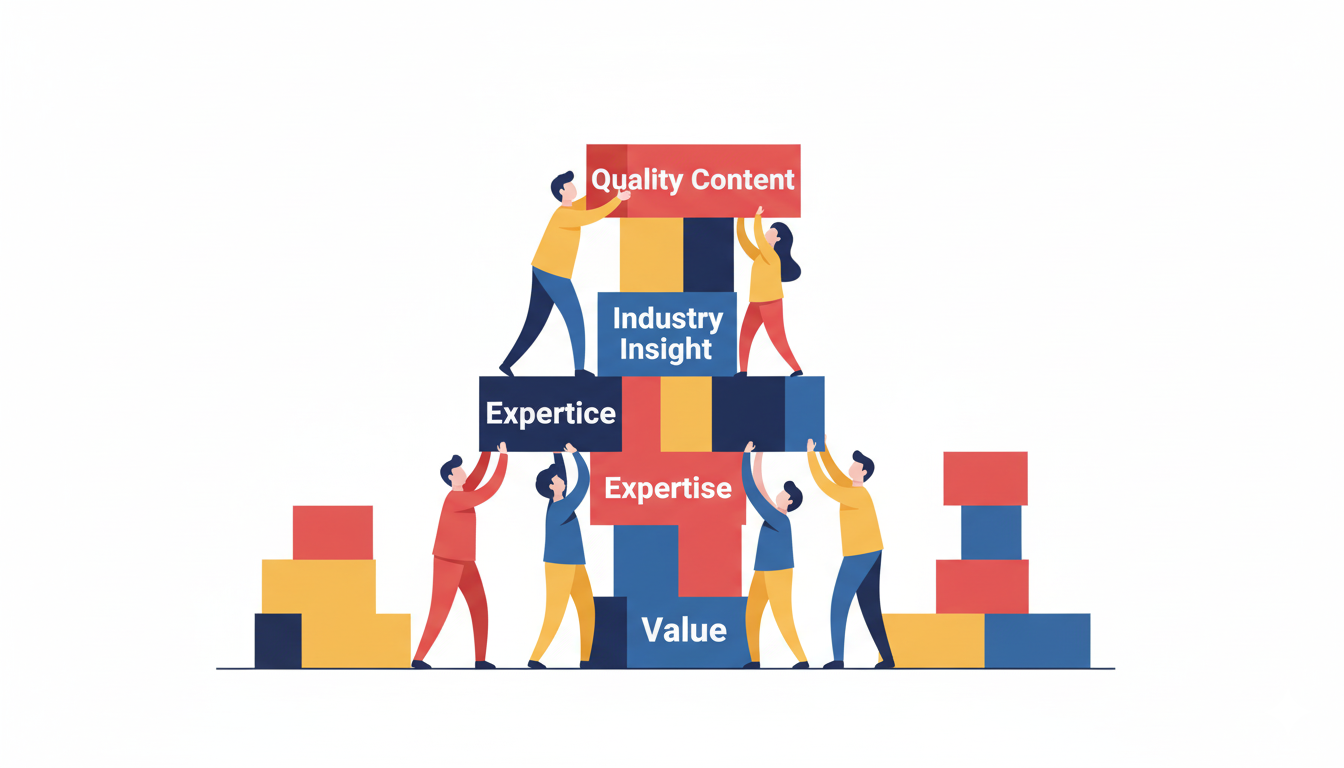
Strong personal profiles form the foundation of your thought leadership strategy
Key elements to optimize:
- Professional Headlines: Go beyond job titles to include value propositions and keywords
- Featured Section: Showcase your best content, articles, and media appearances
- Experience Descriptions: Focus on achievements and results rather than just responsibilities
- Skills and Endorsements: Build credibility through third-party validation of your expertise
Content Strategy for Maximum Visibility
Content is the engine of your LinkedIn brand awareness strategy. The right content, distributed consistently, positions your brand as a helpful resource rather than just another company trying to make a sale.
Content Types That Drive Awareness
Different content formats serve different purposes in your awareness strategy. A mix of formats keeps your content fresh and appeals to different audience preferences.
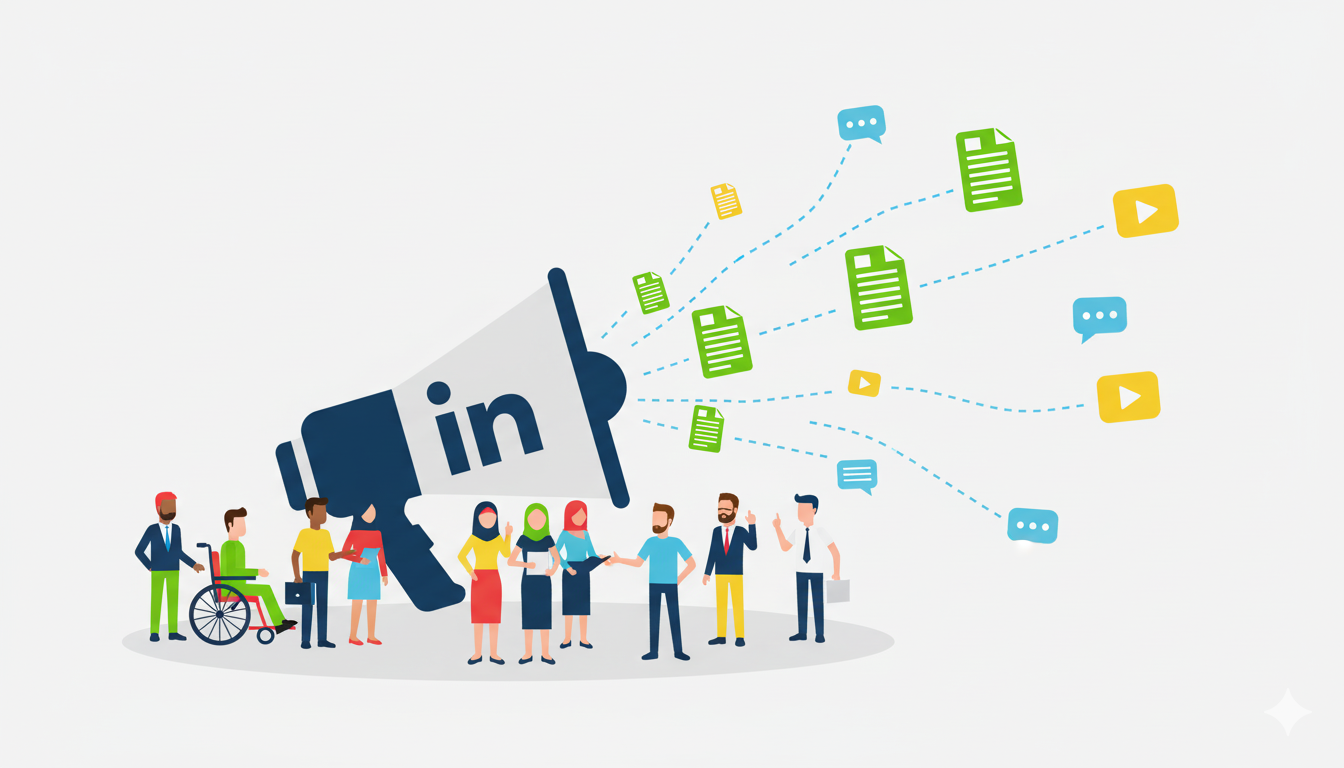
A diverse content strategy acts as a megaphone for your brand message
Educational Content: Share insights, how-tos, and industry analysis that helps your audience do their jobs better. This positions your brand as a knowledgeable authority.
Behind-the-Scenes Content: Humanize your brand by sharing company culture, team spotlights, and day-in-the-life content. This builds emotional connections with your audience.
Visual Content: Posts with images receive 98% more comments, while videos are shared 20 times more than other content types. Use compelling visuals that stand out in the feed.
Storytelling Content: Share customer success stories, case studies, and challenges you’ve overcome. Stories are memorable and help prospects envision themselves working with you.
Content Calendar and Posting Strategy
Consistency is crucial for building brand awareness. A well-planned content calendar ensures you maintain a steady presence without last-minute scrambling.
- Posting Frequency: Aim for 3-5 posts per week to stay top-of-mind without overwhelming your audience
- Optimal Timing: Test different posting times, but generally, Tuesday through Thursday mornings tend to perform well
- Content Mix: Balance promotional content (20%) with educational (60%) and engaging/content (20%)
- Hashtag Strategy: Use a mix of popular and niche hashtags to increase discoverability
Avoid These Common Mistakes: Many brands make the error of only posting company updates or overly promotional content. This approach fails to provide value and often leads to audience disengagement. Similarly, irregular posting makes it difficult to build momentum and brand recognition. If you’re running paid campaigns, avoid the common PPC mistakes that burn through budget without delivering awareness results.
Leveraging LinkedIn Thought Leader Ads
One of the most powerful tools for LinkedIn brand awareness in 2025 is Thought Leader Ads. This ad format allows companies to promote organic posts from individuals within their organization, typically executives or subject matter experts.
What Are Thought Leader Ads?
LinkedIn Thought Leader Ads are sponsored content that promotes organic posts from individuals rather than company pages. These ads appear in users’ feeds as regular posts from the individual, with a small “Promoted by [Company]” label. According to LinkedIn data, they deliver up to 1.7× higher click-through rates and 1.6× higher engagement rates than standard single-image ads.
The power of this format lies in its authenticity. People trust messages from individuals more than branded sources—61% of users say they trust influencer recommendations. Thought Leader Ads tap into this trust while still providing the reach of paid promotion.
How to Set Up Thought Leader Ads
Step 1: Choose Your Campaign Objective
In Campaign Manager, select either “Brand Awareness” or “Engagement” as your objective—these are the only two options available for Thought Leader Ads.
Step 2: Select the Right Post Format
Choose either “Single-image ad” or “Video ad” based on the original organic post you plan to promote. The format must match the original post.
Step 3: Request Content Permission
Browse existing content from qualified individuals in your organization and request permission directly through Campaign Manager. The post author must approve before you can proceed.
Step 4: Define Your Target Audience
Use LinkedIn’s powerful targeting options to reach your ideal customer profile based on industry, job title, company size, or other relevant criteria.
Step 5: Set Budget and Launch
Determine your budget and bidding strategy, then launch your campaign. Monitor performance closely and be prepared to optimize based on results.
Best Practices for Thought Leader Ads
- Choose the Right Voices: Select individuals with established credibility and engaging content styles
- Promote High-Performing Organic Content: Boost posts that have already demonstrated organic success
- Maintain Authenticity: Don’t over-polish or corporate-ize the content—the personal touch is what makes it effective
- Align with Business Objectives: Ensure the content supports your broader brand awareness goals
Employee Advocacy: Multiplying Your Reach
Your employees are your most credible brand ambassadors. An effective employee advocacy program can significantly amplify your LinkedIn brand awareness efforts by extending your reach beyond your company’s immediate followers.
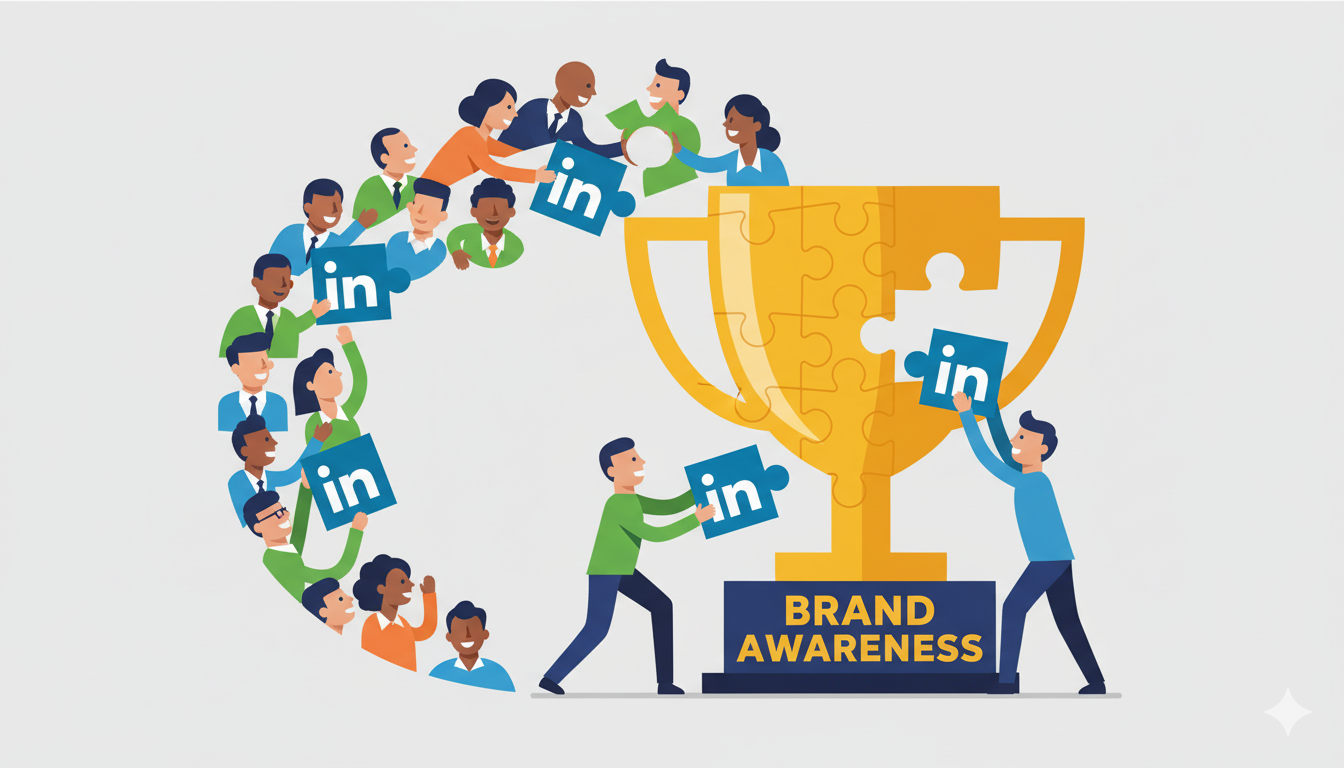
Each team member represents a crucial piece of your brand awareness puzzle
Building an Employee Advocacy Program
Successful employee advocacy doesn’t happen by accident—it requires structure, support, and motivation.
Provide Shareable Content: Make it easy for employees to share company content by creating a resource library with pre-written posts, images, and suggested messaging.
Offer Training and Guidelines: Educate employees on best practices for LinkedIn engagement and provide clear social media guidelines.
Recognize and Reward Participation: Acknowledge active advocates through internal recognition programs or incentives.
Lead by Example: Ensure executives are actively participating and modeling effective LinkedIn engagement.
Measuring Advocacy Impact
Track the impact of your employee advocacy program through metrics such as:
- Total reach and impressions generated by employee shares
- Engagement rates on content shared by employees versus company page
- Website traffic referred from employee LinkedIn profiles
- Lead generation influenced by employee advocacy
Pro Tip: Start small with a pilot group of enthusiastic employees before rolling out your advocacy program company-wide. This allows you to refine your approach and demonstrate early success stories that can encourage broader participation.
Engagement and Community Building
Building LinkedIn brand awareness isn’t just about broadcasting your message—it’s about fostering genuine engagement and building community around your brand.
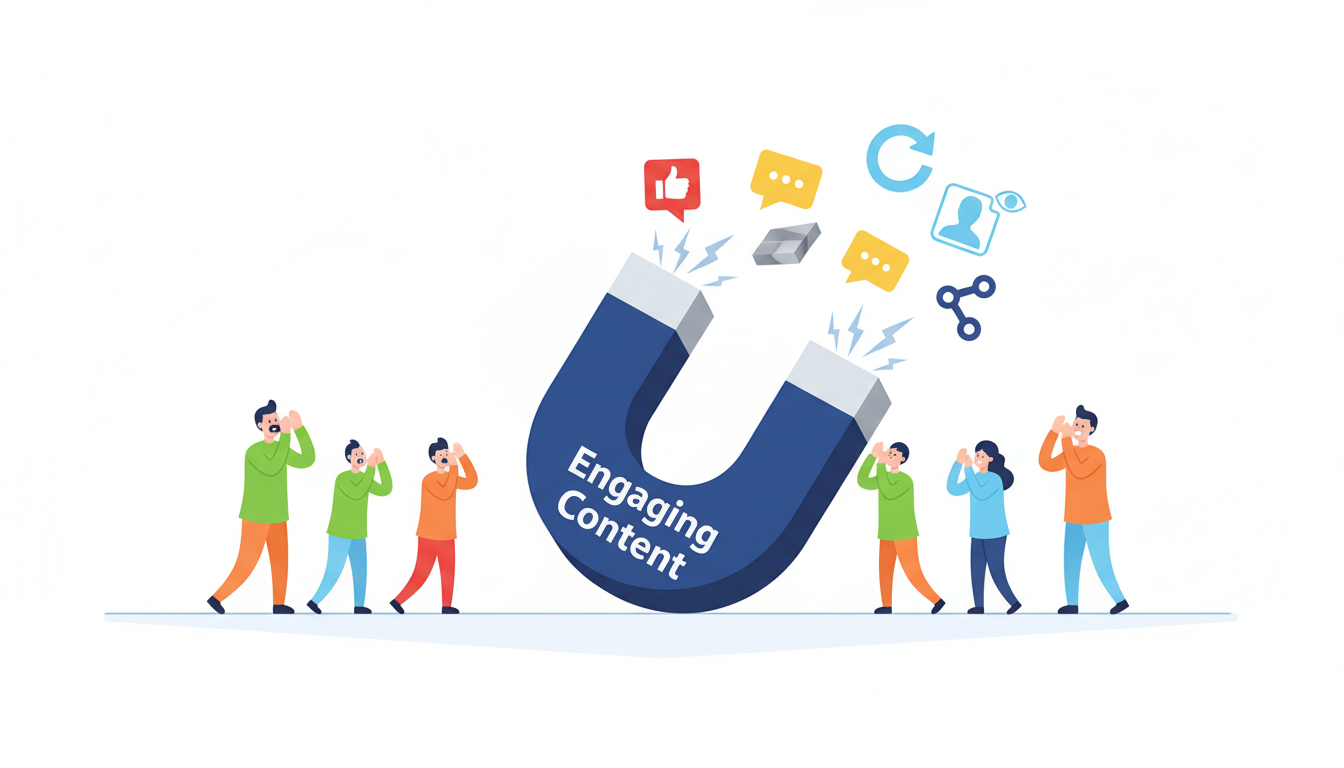
Active engagement acts as a magnet, attracting your target audience to your brand
Strategic Engagement Practices
Passive content distribution won’t build the connections needed for lasting brand awareness. You need proactive engagement strategies.
Respond to All Comments: Acknowledge every comment on your posts with thoughtful responses. This encourages further interaction and shows you value your audience’s input.
Participate in Relevant Conversations: Monitor industry hashtags and join conversations where you can add value without being overly promotional.
Engage with Other Companies’ Content: Comment thoughtfully on posts from complementary businesses, industry publications, and thought leaders.
Ask Questions and Spark Discussions: Pose thoughtful questions in your posts and actively participate in the resulting conversations.
LinkedIn Groups Strategy
LinkedIn Groups remain powerful hubs for community building and targeted engagement when used strategically.
Identify Relevant Groups: Find and join groups where your target audience spends time, focusing on those with active, quality discussions.
Provide Value First: Before sharing your own content, establish credibility by answering questions and contributing to discussions.
Share Exclusive Insights: Offer group members special content, early access, or unique perspectives they can’t get elsewhere.
Consider Creating Your Own Group: For established brands with specific expertise, creating and nurturing your own group can position you as a community leader.
Measuring Your Brand Awareness Success
Effective LinkedIn brand awareness requires tracking the right metrics to understand what’s working and where to optimize. While brand awareness can feel intangible, these metrics provide concrete evidence of your progress.
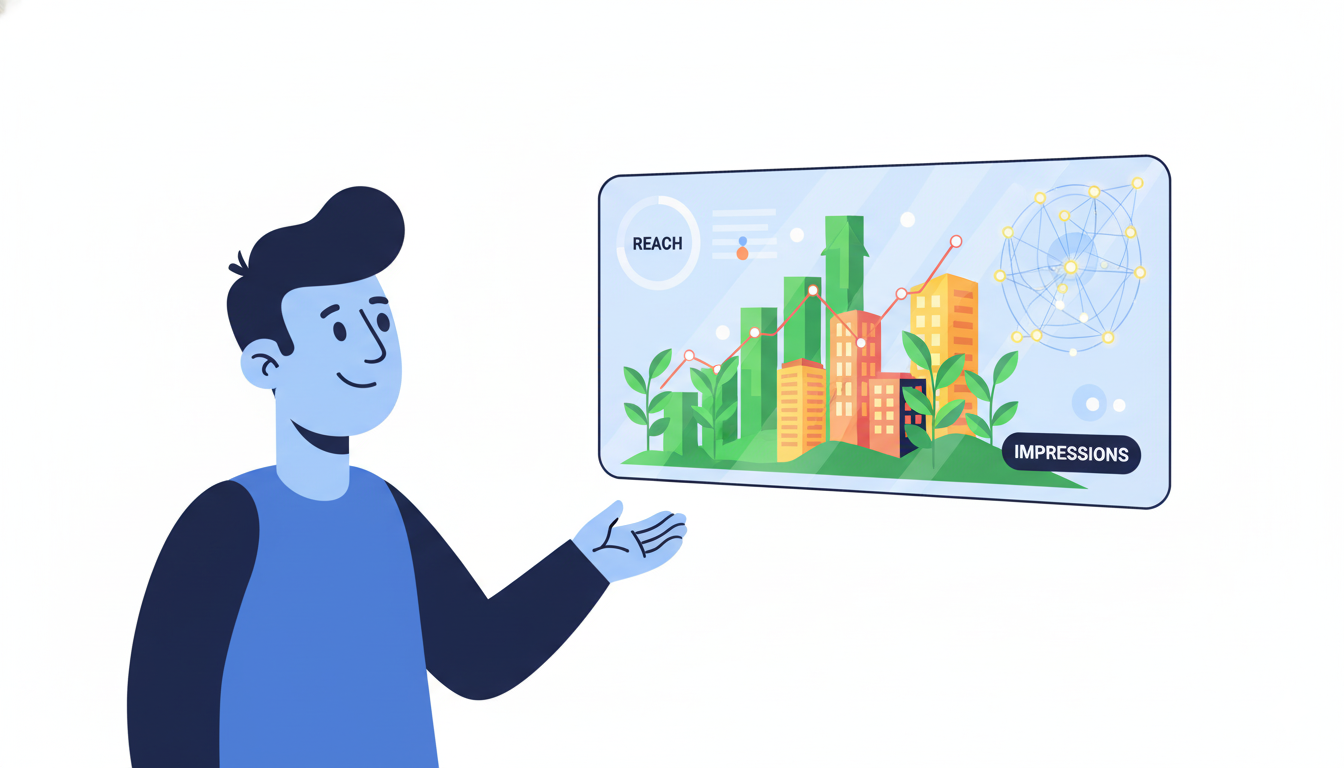
A comprehensive dashboard helps you track progress across multiple brand awareness metrics
Key Brand Awareness Metrics
According to LinkedIn’s marketing resources, these are the essential metrics for measuring brand awareness:
| Metric | What It Measures | Why It Matters |
|---|---|---|
| Impressions | How many times your content was displayed | Indicates overall visibility and reach |
| Follower Growth | Rate of new followers acquiring | Shows increasing audience interest |
| Engagement Rate | Percentage of engaged impressions | Measures content resonance and quality |
| Share of Voice | Your brand mentions vs. competitors | Indicates market position and mindshare |
| Website Referrals | Traffic from LinkedIn to your website | Shows interest beyond the platform |
| Content Amplification | How often your content is shared | Measures audience advocacy and content value |
Advanced Measurement Techniques
For sophisticated brand awareness tracking, consider these advanced approaches:
Brand Awareness Dashboard: Create a centralized dashboard that consolidates multiple data sources to provide a comprehensive view of your brand awareness performance across different channels and over time.
Sentiment Analysis: Use social listening tools to analyze the sentiment of conversations mentioning your brand, helping you understand not just visibility but perception.
Lead Source Analysis: Track how many leads mention LinkedIn as their first touchpoint or primary source of awareness.
Competitive Benchmarking: Monitor competitors’ LinkedIn presence to understand your relative position in the market.
Pro Tip: Set baseline measurements before implementing your brand awareness strategy, then track progress at regular intervals (monthly or quarterly). This allows you to correlate specific activities with results and make data-driven decisions about where to focus your efforts.
FAQs: LinkedIn Brand Awareness
Initial metrics like impressions and engagement can improve within weeks, but meaningful brand awareness that influences business outcomes typically takes 3-6 months of consistent effort. Building genuine brand recognition is a marathon, not a sprint.
Both play crucial roles. Organic content builds genuine engagement and community, while paid advertising accelerates reach and targeting. The most effective strategies combine both—using organic content to build foundation and paid amplification to extend reach to new audiences.
For most brands, 3-5 posts per week strikes the right balance between maintaining visibility and avoiding audience fatigue. Quality consistently outperforms quantity, so focus on creating valuable content rather than simply hitting a posting quota.
Absolutely. While paid options accelerate results, small businesses can build substantial awareness through consistent organic activity—especially by leveraging employee advocacy, engaging in relevant groups, and creating niche content that resonates with specific audiences.
Beyond direct metrics like engagement and reach, look for correlations between awareness activities and business outcomes like website traffic from LinkedIn, lead quality, reduced cost per acquisition, and customer mentions of LinkedIn as a discovery channel.
Ready to Transform Your LinkedIn Brand Awareness?
Building meaningful brand awareness on LinkedIn requires strategy, consistency, and the right expertise. If you’re ready to elevate your LinkedIn presence but need guidance on implementation, our team at LineUp specializes in developing data-driven LinkedIn strategies that deliver measurable results.
Get Your Free LinkedIn Strategy Consultation