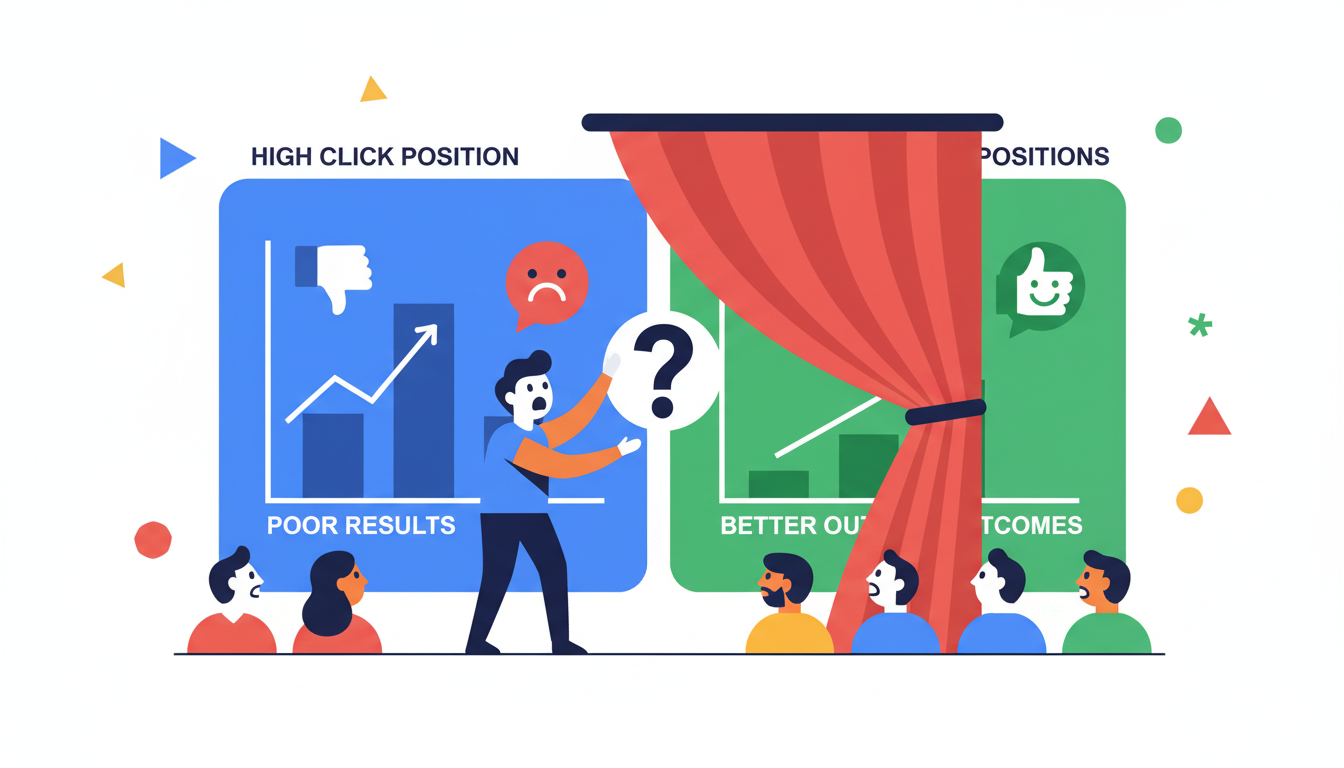
For decades, the mantra has been clear: “Get to the first page of Google, and success will follow.” But what if this fundamental belief about Google first page clicks is now dangerously incomplete? What if chasing clicks could be costing you customers and revenue?
New data from 2025 reveals a shocking reality: ranking on Google’s first page no longer guarantees meaningful business results. With the rapid evolution of AI Overviews, changing user behavior, and Google’s shift toward zero-click search, the old rules no longer apply. This comprehensive guide uncovers why a myopic focus on rankings and Google first page clicks could be sabotaging your growth and reveals the metrics that truly matter for sustainable success.
- The CTR Myth: What 2025 Data Really Shows
- AI Overviews: The Google First Page Clicks Killer
- Clicks vs. Conversions: The Real Business Metric
- Traffic Quality Over Quantity
- User Experience: The Hidden Ranking Factor
- Building Beyond Clicks: Long-Term Brand Authority
- The Metrics That Actually Matter in 2025
- FAQs: Google First Page Clicks Reality Check
The CTR Myth: What 2025 Data Really Shows
The conventional wisdom says ranking #1 on Google means you’ll capture the lion’s share of Google first page clicks. While this was once true, the landscape has dramatically shifted. Let’s examine what current data reveals about actual click-through rates.
| Google Ranking Position | Traditional CTR Belief | 2025 CTR Reality |
|---|---|---|
| Position #1 | 35-40% | 27.6% (and dropping) |
| Position #2 | 15-20% | 14.4% |
| Position #3 | 10-15% | 9.8% |
| Positions #4-5 | 5-10% | 6.2% combined |
| Positions #6-10 | 1-5% | 3.1% combined |
As the data shows, the click-through rate for the #1 position has decreased significantly from historical averages. But why is this happening? The answer lies in Google’s fundamental transformation of the search experience and how it affects Google first page clicks.
The Zero-Click Search Epidemic
Google has been systematically moving toward providing answers directly on the search results page, reducing the need for users to click through to websites. Featured snippets, knowledge panels, and especially AI Overviews mean users can often find what they need without ever leaving Google. This creates a paradox: your content might be ranking #1, but fewer people actually visit your site, dramatically impacting your Google first page clicks.
AI Overviews: The Google First Page Clicks Killer
Google’s AI Overviews represent the most significant shift in search behavior since the introduction of featured snippets. Launched fully in 2025, these AI-generated summaries provide comprehensive answers to queries directly on the search results page, fundamentally changing the dynamics of Google first page clicks.
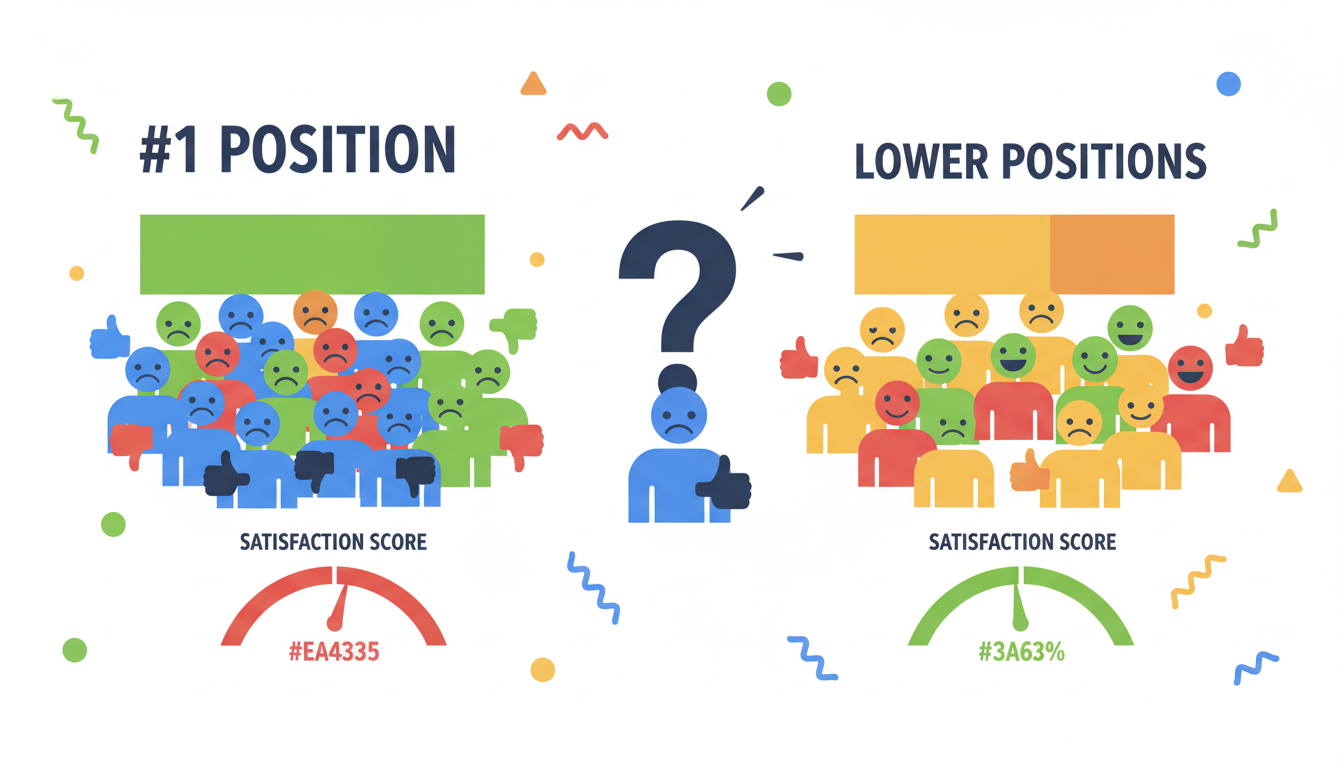
AI Overviews are dramatically changing how users interact with search results, often eliminating the need for Google first page clicks
The impact on click-through rates has been nothing short of dramatic. Recent studies analyzing over 200,000 keywords found that Position #1 CTR has dropped by approximately 32% since the AI Overview rollout. In some cases, the decline in Google first page clicks has been even more severe.
Shocking Case Study: According to Search Engine Journal’s analysis, MailOnline reported that when AI Overviews appear for a keyword where they rank #1 organically, their CTR drops to less than 5% on desktop and 7% on mobile—a 56.1% decrease on desktop and 48.2% on mobile compared to searches without AI Overviews.
This trend is particularly pronounced for informational queries, where AI Overviews appear most frequently. For commercial queries, product widgets and shopping ads have similarly reduced organic click-through rates for e-commerce sites, affecting the value of Google first page clicks across industries.
Clicks vs. Conversions: The Real Business Metric
Here’s the fundamental truth that most SEO discussions ignore: Clicks don’t pay bills—conversions do. You can have all the first-page rankings in the world with plenty of Google first page clicks, but if that traffic doesn’t convert into customers, it’s worthless from a business perspective.
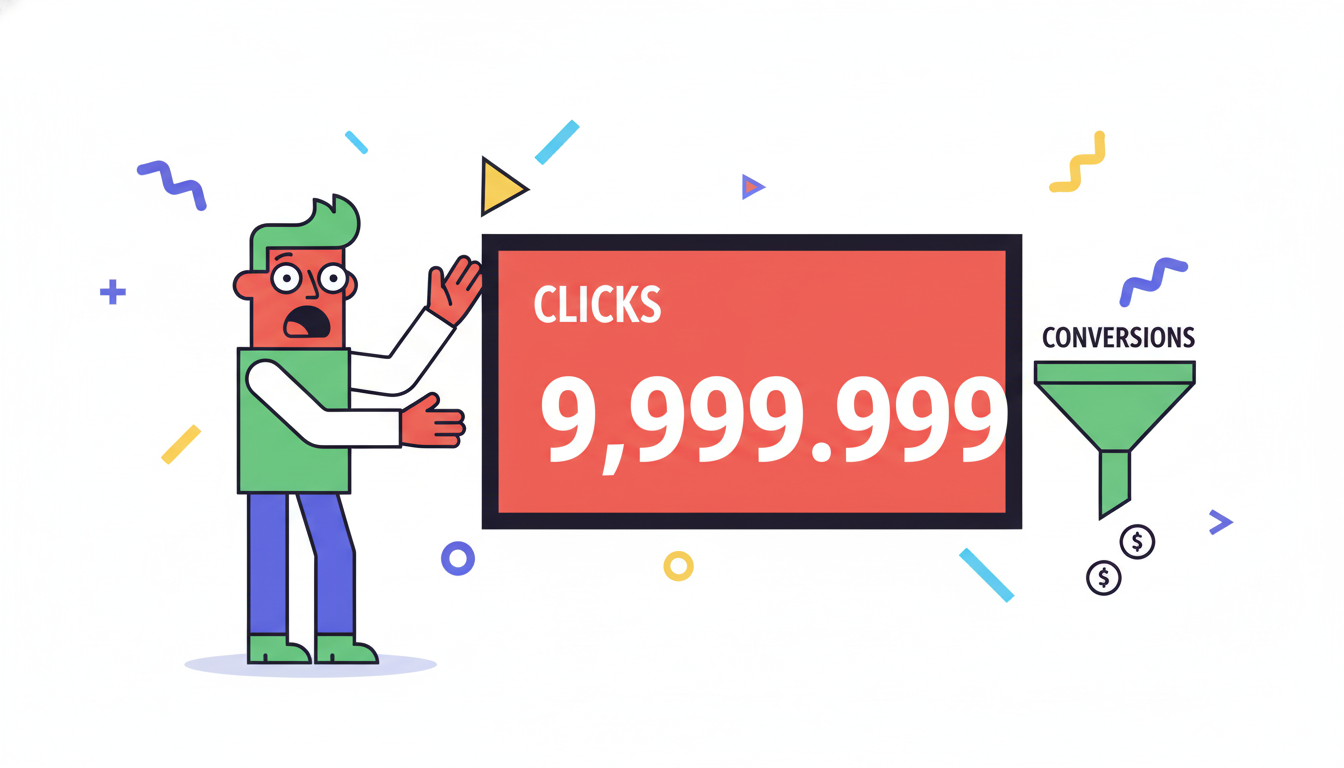
Vanity metrics like click volume can be deceiving—what matters is how many Google first page clicks turn into genuine business results
Consider these two scenarios that demonstrate why focusing solely on Google first page clicks can be misleading:
- Website A: Ranks #1 for a high-volume keyword, gets 1,000 Google first page clicks per month, but has a 1% conversion rate → 10 customers
- Website B: Ranks #3 for a lower-volume but highly relevant keyword, gets 300 clicks per month, but has a 10% conversion rate → 30 customers
Website B generates 3x more customers despite receiving 70% fewer Google first page clicks. This illustrates why conversion rate optimization often delivers greater ROI than chasing incremental ranking improvements.
Pro Tip: Instead of asking “How can we rank higher for more Google first page clicks?”, ask “How can we better serve the visitors we already have?” According to Neil Patel’s conversion optimization guide, improving your conversion rate from 2% to 4% doubles your results without requiring a single additional click.
Traffic Quality Over Quantity
Not all Google first page clicks are created equal. The quality of your traffic—how well it matches your target audience and their intent—is far more important than the quantity of clicks you receive.
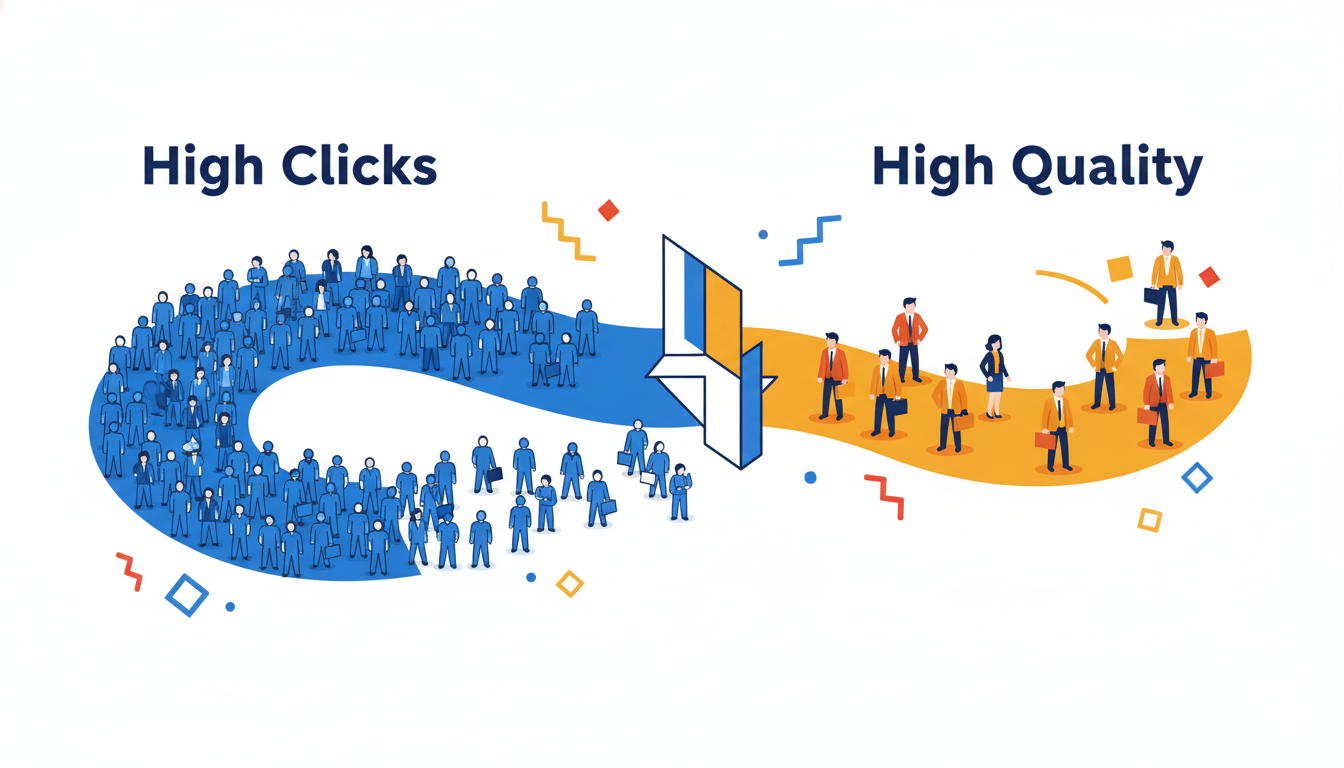
A smaller stream of perfectly targeted Google first page clicks often outperforms a massive flood of irrelevant visitors
Google’s increasingly sophisticated understanding of user intent means that ranking for the right queries is more important than ranking for many queries when it comes to maximizing the value of your Google first page clicks. There are several types of search intent that dramatically affect conversion potential:
- Informational Intent: Users seeking knowledge (low conversion potential despite high Google first page clicks)
- Commercial Investigation: Users researching before buying (medium conversion potential)
- Transactional Intent: Users ready to purchase (high conversion potential for your Google first page clicks)
- Navigational Intent: Users looking for a specific site (varies)
Focusing on commercial and transactional intent keywords, even if they have lower search volume, typically delivers significantly better business results than targeting high-volume informational keywords that generate empty Google first page clicks.
User Experience: The Hidden Ranking Factor
Google has been increasingly explicit about the importance of user experience signals in their ranking algorithm. Two metrics in particular—dwell time and bounce rate—provide crucial insights into how users perceive your content’s quality after those valuable Google first page clicks.
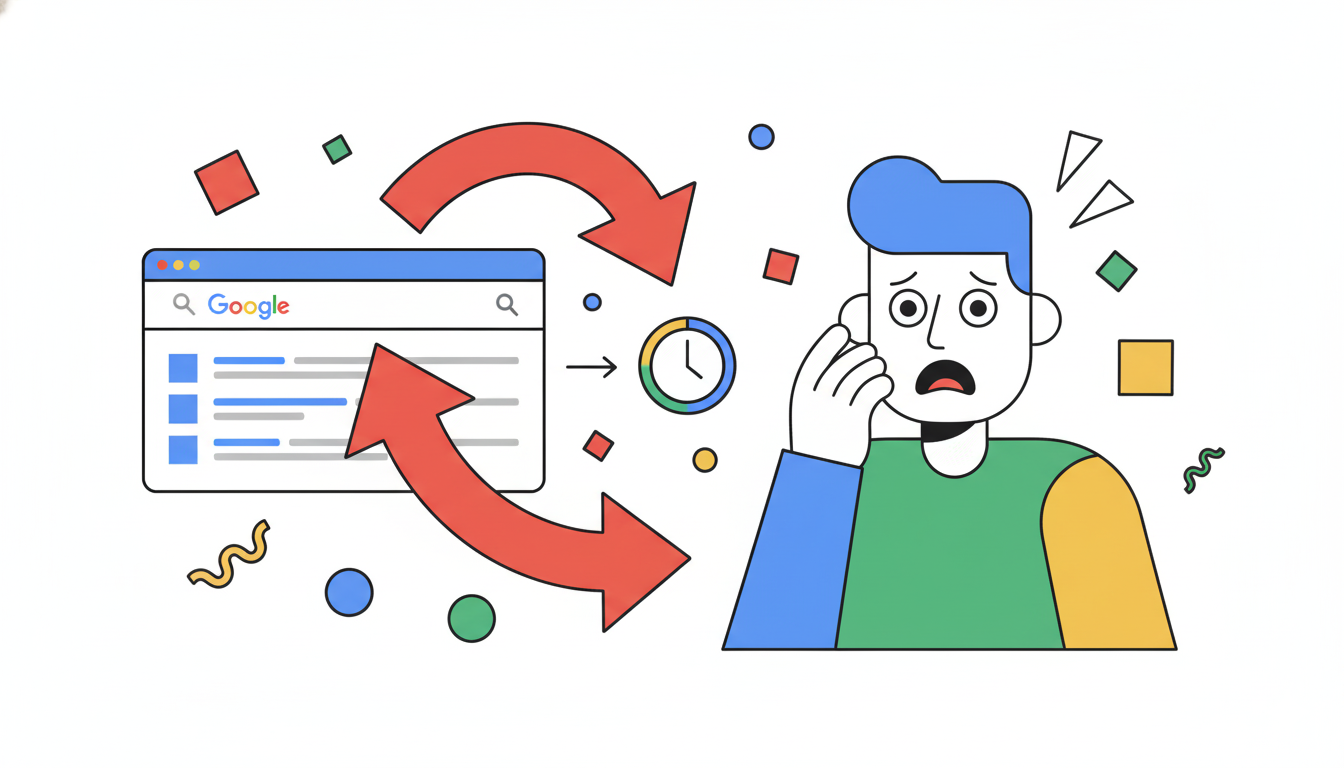
How long users stay on your site after Google first page clicks tells Google everything about your content’s quality
Dwell Time: The Engagement Metric That Matters
Dwell time measures how long users spend on your page after clicking through from search results before returning to Google. A longer dwell time signals to Google that your content successfully satisfied the user’s query, making your Google first page clicks more valuable in the algorithm’s eyes.
Research from Moz’s analysis of Google CTR data has found a strong correlation between dwell time and first-page rankings. Pages that keep users engaged tend to rank better because Google interprets this as a quality signal, rewarding valuable Google first page clicks.
Bounce Rate: Context Matters
While a high bounce rate can indicate irrelevant content, it’s important to interpret this metric with nuance. Some pages naturally have higher bounce rates because they immediately answer a user’s question, which doesn’t necessarily mean your Google first page clicks are worthless.
Core Web Vitals: The Technical Foundation
Google’s Core Web Vitals—loading performance, interactivity, and visual stability—have become official ranking factors according to Google’s official documentation. A poor user experience caused by slow loading or layout shifts can negatively impact your rankings and the value of your Google first page clicks, regardless of your content quality.
Building Beyond Clicks: Long-Term Brand Authority
In the age of AI Overviews and zero-click search, building direct brand awareness and authority has never been more important. When users recognize and trust your brand, they’re more likely to click on your results—even if you’re not ranking #1, ensuring more valuable Google first page clicks.
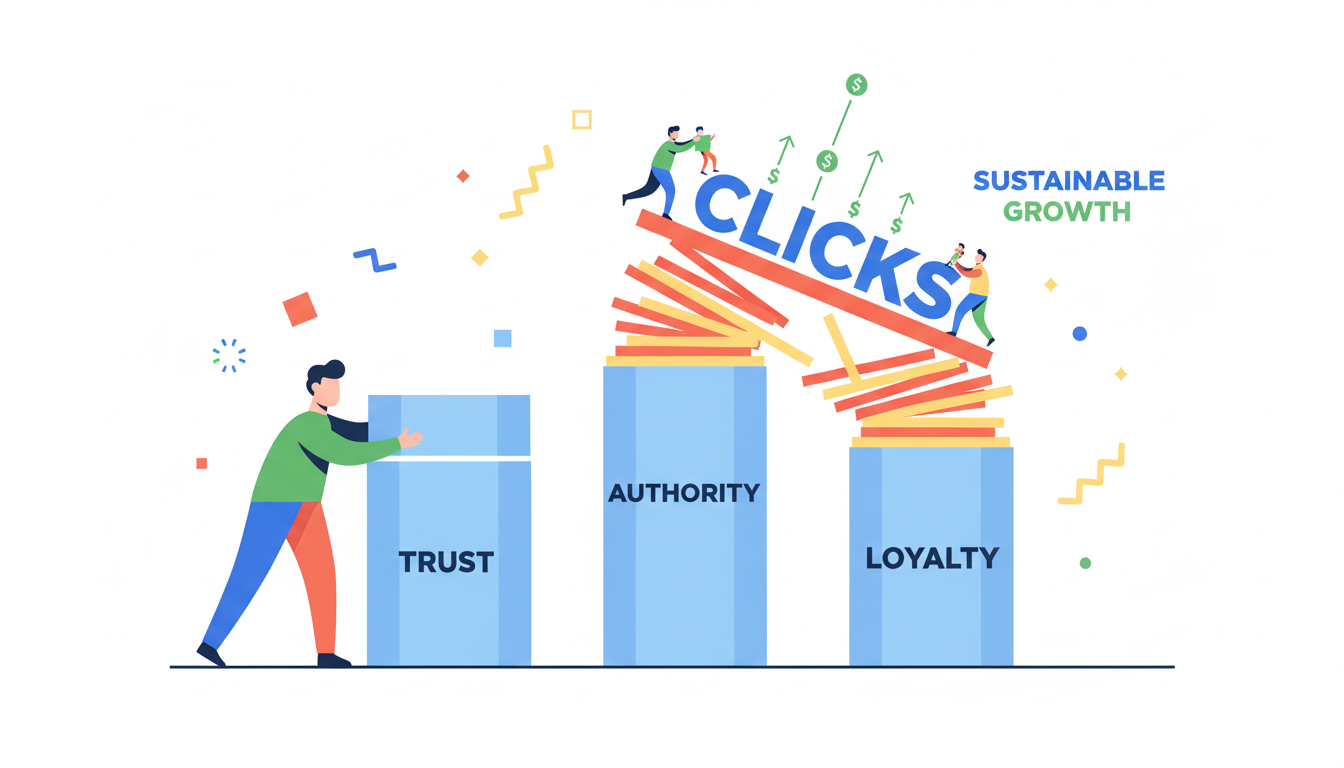
Sustainable growth comes from building brand recognition that transcends any single search result and generates quality Google first page clicks
Brand building creates a virtuous cycle that improves all your marketing efforts and the quality of your Google first page clicks:
- Higher CTR: Recognized brands get more Google first page clicks, even at lower positions
- Better Conversion Rates: Trusted brands convert more effectively from their Google first page clicks
- Premium Pricing: Established brands can command higher prices
- Algorithm Benefits: Google may use brand signals as a ranking factor
This is why companies that focus on business impact-driven insights rather than just chasing Google first page clicks typically achieve more sustainable growth.
The Metrics That Actually Matter in 2025
If Google first page clicks and rankings aren’t the whole story, what should you be tracking? Here are the key performance indicators that truly indicate SEO success in the current landscape beyond just counting Google first page clicks.

Understanding the complete customer journey—not just the initial Google first page clicks—is essential for accurate performance measurement
1. Total Clicks (Not Just Rankings)
While rankings are important, total clicks from Google Search Console give you a more accurate picture of your actual visibility and performance beyond just tracking Google first page clicks. This metric accounts for all the SERP features and shows your true share of search traffic according to Semrush’s Google Search Console guide.
2. Organic Revenue and Conversions
This is the ultimate metric for SEO success. By tracking which keywords and pages actually generate revenue (not just Google first page clicks), you can focus your efforts on what truly drives business growth rather than vanity metrics.
3. Traffic Value
Tools like Semrush can estimate how much you would pay for your organic traffic via Google Ads. This helps demonstrate SEO’s ROI and justifies continued investment beyond just counting Google first page clicks.
4. Engagement Metrics
Dwell time, pages per session, and conversion rates indicate how well your content satisfies users after those initial Google first page clicks. Strong engagement metrics often lead to improved rankings over time.
5. Branded Search Volume
An increase in searches for your brand name indicates growing awareness and authority. This often correlates with improved performance for non-branded terms and more valuable Google first page clicks as well.
FAQs: Google First Page Clicks Reality Check
Absolutely not! SEO remains one of the most powerful marketing channels available according to Backlinko’s SEO strategy guide. The key is focusing on the right aspects of SEO—user experience, content quality, and technical optimization—rather than obsessing over rankings and Google first page clicks alone. Quality SEO work that serves users typically delivers excellent long-term results.
Studies show CTR declines of 30-60% for keywords with AI Overviews, with position #1 experiencing approximately 32% fewer Google first page clicks on average. The impact varies by industry and query type, with informational queries seeing the largest declines according to recent data from Search Engine Journal.
Conversion rate almost always delivers more business value. Improving your conversion rate from 2% to 4% doubles your results from the same amount of traffic and Google first page clicks, while moving from position #2 to #1 typically increases traffic by less than 100% according to industry benchmarks.
Adapt your strategy: create content too comprehensive for AI Overviews to fully cover, focus on commercial intent keywords less affected by AI answers, build brand recognition to earn Google first page clicks regardless of position, and diversify your traffic sources beyond organic search.
Some industries with high commercial intent and less AI Overview penetration (like certain B2B services) still see strong returns from Google first page clicks. However, the general trend affects all industries to some degree, and the principles of focusing on quality traffic and conversions apply universally beyond just counting clicks.
Ready to Move Beyond Vanity Metrics Like Google First Page Clicks?
If you’re tired of chasing rankings and Google first page clicks that don’t translate into business growth, it’s time for a new approach. Our data-driven SEO strategy focuses on what actually moves the needle: qualified traffic, user satisfaction, and measurable conversions beyond just counting clicks.
Get Your Free SEO Reality Check