Local SEO Explained: A Complete Guide for Business Owners (2025)
Is your business a hidden gem? You offer fantastic products or services, your customer service is top-notch, but your phone isn’t ringing and your foot traffic is slow. The problem might be that you’re invisible to the most valuable customers of all: the ones in your own neighborhood who are searching for you right now.
This comprehensive local SEO guide will demystify the process of getting found online. We’ll explore what is local SEO, provide hard data on why it is so important for businesses, and break down the foundational pillars you need to master to transform your local visibility and start driving real-world results. In this 2025 edition, we’ll also cover the latest updates, including AI integration, voice search optimization, and advanced strategies to stay ahead in the evolving landscape of local search ranking.
In today’s digital age, local SEO is more than just a buzzword; it’s a necessity for any business aiming to thrive in their community. With the rise of mobile searches and smart assistants, understanding and implementing effective local SEO strategies can make the difference between obscurity and success. This guide is designed to equip business owners with the knowledge and tools needed to enhance their online presence and attract more local customers.

What is Local SEO? A Simple Analogy
Forget the complex jargon. The easiest way to understand local SEO is with a simple analogy:
Imagine a tourist stands on a street corner near your business and asks their phone, “Where’s the best coffee shop near me?” Local SEO is the art and science of making sure Google confidently ignores your competitors and points that tourist directly to your front door.
It’s the process of optimizing your entire online presence to attract more business from relevant, local searches. These are the “near me,” “in [your city],” or “in Wrocław” searches that have become second nature to consumers. The people performing these searches are not just browsing; they are actively looking to make a purchase, book an appointment, or visit a location.
Unlike traditional SEO which focuses on ranking nationally or globally, local SEO focuses on ranking within a specific geographic area. It’s about winning your neighborhood, not the world. In 2025, with the rise of AI-driven search engines like Google’s Search Generative Experience (SGE), local SEO has become even more crucial as it influences how AI summarizes and presents local business information to users.
To delve deeper, local SEO encompasses a variety of tactics, from on-page optimizations to off-site signals. It involves ensuring your business appears in the Google Local Pack, Maps, and organic results for location-based queries. As mobile usage continues to dominate, with over 60% of searches now on mobile devices, optimizing for local SEO means prioritizing mobile-friendly experiences and fast-loading pages.
Furthermore, local SEO integrates with other digital marketing strategies, such as content marketing and social media, to create a cohesive online footprint. By aligning your website content with local keywords and engaging with your community on platforms like Facebook or Instagram, you can amplify your local search ranking efforts.
One key aspect often overlooked in local SEO is the role of user experience. Ensuring that your website is not only optimized for search engines but also provides value to visitors can lead to longer dwell times, lower bounce rates, and ultimately higher rankings in local search results.
Why is Local SEO Important for Your Business? The Undeniable Data
The importance of this local SEO guide comes down to one word: intent. A user searching for “running shoes” could be a student writing a research paper. But a user searching “running shoes near me” has their wallet out, ready to buy. The data backs this up unequivocally.
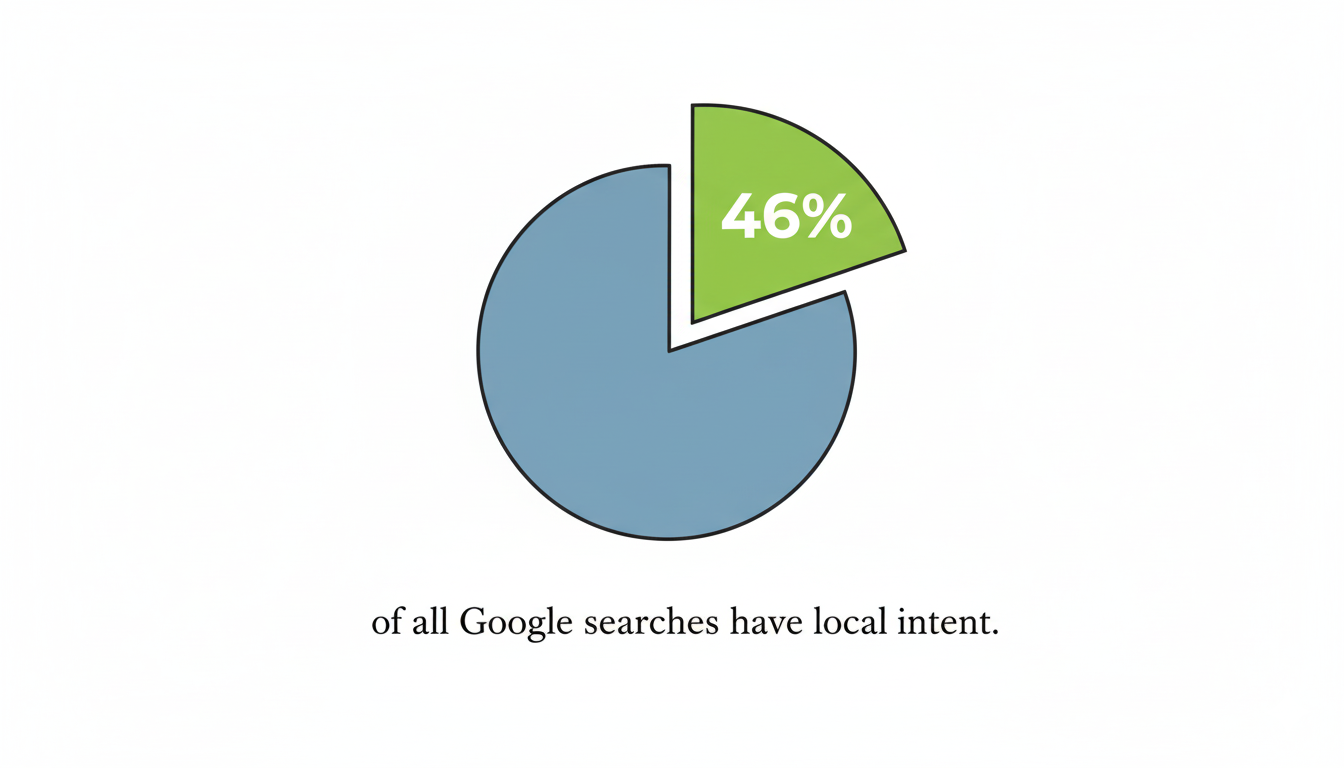
- According to Google’s own data, 46% of all searches have a local intent. That’s nearly half of the world’s largest search engine being used to find local solutions.
- Research from BrightLocal shows that 78% of local mobile searches result in an offline purchase. The connection between a local search and a real-world sale is direct and powerful.
- Furthermore, the same study found that 97% of consumers learn more about a local company online than anywhere else.
- In 2025, with the integration of AI, local searches are expected to increase by 20%, as voice assistants like Siri and Google Assistant become more accurate in handling location-based queries.
- A recent study by Uberall indicates that businesses with optimized local SEO see a 2.7x increase in customer engagement compared to those without.
- According to HubSpot, businesses that blog about local topics see 13 times more ROI from their local SEO efforts.
- Statista reports that by 2025, local digital advertising spending will reach $200 billion, highlighting the growing investment in local SEO.
The conclusion is clear: if you are not visible in local search results, you are not just missing out on traffic; you are missing out on your most qualified, ready-to-buy customers. A strong local search ranking isn’t a vanity metric; it’s a direct and sustainable pipeline for revenue. Ignoring local SEO in 2025 could mean falling behind competitors who leverage AI and real-time data for better visibility.
Moreover, with the growing emphasis on E-E-A-T (Experience, Expertise, Authoritativeness, Trustworthiness), Google rewards businesses that demonstrate genuine local presence and authority, making local SEO a key factor in overall search performance. This shift means that authentic engagement with your local audience is more important than ever.
Beyond the numbers, local SEO helps build community trust. When your business consistently appears in local searches, it reinforces your position as a go-to provider in your area, fostering loyalty and repeat business.
In an era where consumers value convenience and personalization, local SEO allows you to tailor your online presence to meet the specific needs of your local market, resulting in higher conversion rates and customer satisfaction.
The 3 Foundational Pillars of Local SEO
Google’s local algorithm is complex, but its goal is simple: to provide the searcher with the most relevant, prominent, and trustworthy local business to meet their needs. To achieve a high local search ranking, your strategy must be built on three foundational pillars that align directly with Google’s goals. In 2025, these pillars are enhanced by AI tools and data analytics for more precise optimization.
Understanding these pillars is crucial for any local SEO guide. They form the backbone of your strategy and should be revisited regularly as search algorithms evolve.
Pillar 1: Proximity & Relevance (Your Digital Storefront)
This pillar answers the question: “Is this business a relevant solution for the user’s search, and is it close to them?” The undisputed king of this pillar is your Google Business Profile (GBP).
Your GBP is your most important asset in local SEO. It’s the dynamic, information-rich box that appears in Google Maps and the “Local Pack” of search results. To master this, you must go beyond basic information. In 2025, GBP optimization includes integrating AI-generated descriptions and real-time updates for hours and services.
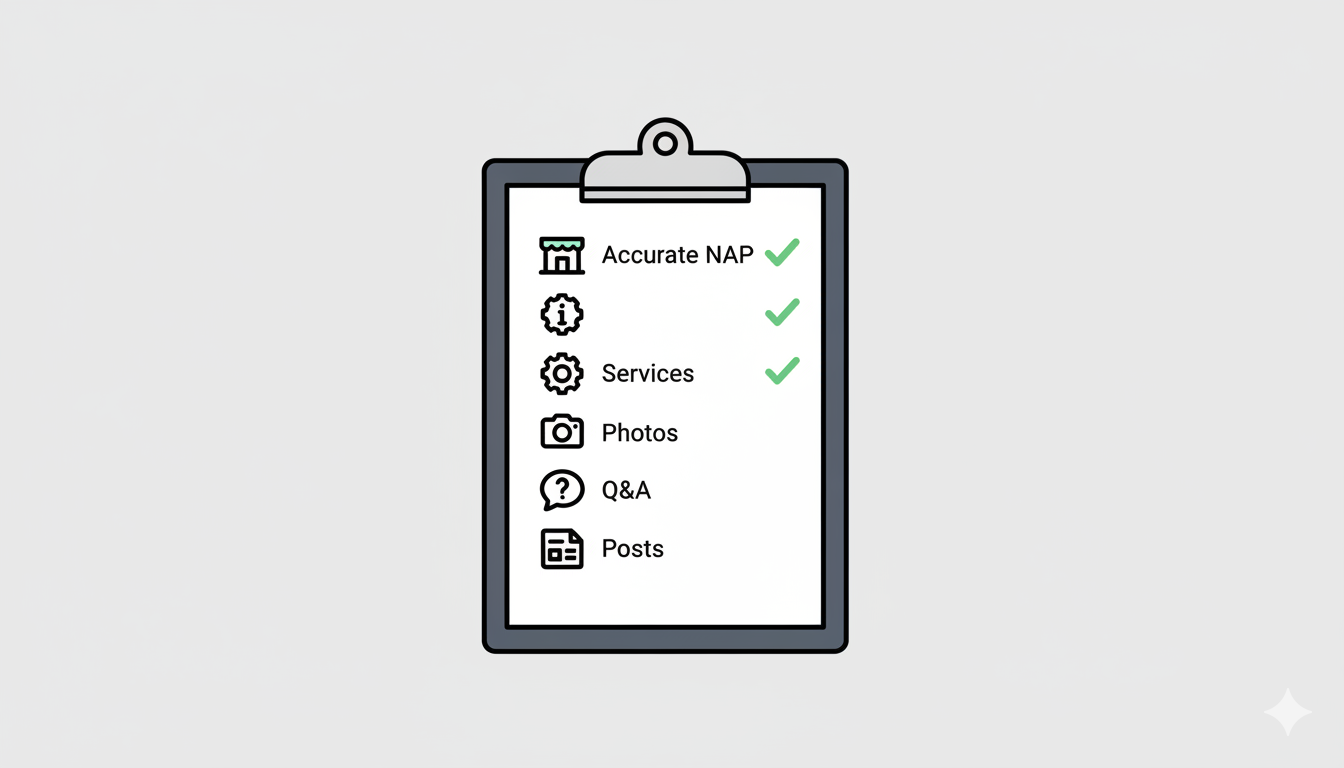
- NAP Consistency is King: Your Name, Address, and Phone number (NAP) must be 100% identical everywhere online. Any variation, no matter how small, confuses Google and erodes trust. Use tools like Moz Local or Yext to audit and correct inconsistencies across directories.
- Choose the Right Categories: Select the primary and secondary categories that most accurately describe your core business. This is one of the most powerful signals you can send to Google about what you do. Research competitors’ categories to ensure you’re aligned with industry standards.
- Build Out Your Services: Don’t just list “legal services.” Create individual service entries for “Family Law,” “Estate Planning,” and “Business Litigation.” This helps you rank for specific, high-intent searches. Add detailed descriptions with local keywords like “family law in [your city]” to boost relevance.
- Use Real Photos: A library of high-quality, authentic photos of your team, your location (inside and out), and your products/services builds immense trust with potential customers before they ever contact you. In 2025, include 360-degree virtual tours and AI-enhanced images for better engagement.
- Regular Posts and Updates: Post weekly updates, offers, or events to keep your profile active. Google favors fresh content, which can improve your local search ranking.
- Q&A Section: Proactively answer common questions to control the narrative and provide value upfront.
- Add Attributes: Highlight features like “wheelchair accessible” or “free Wi-Fi” to attract specific customer segments and improve relevance.
- Verify Your Profile: Ensure your GBP is verified to gain full access to features and build credibility with Google.
Beyond GBP, ensure your website has location-specific pages with embedded maps and local schema markup to reinforce proximity signals. This includes creating dedicated landing pages for each service area or location if you operate in multiple areas.
Common Mistakes in Proximity & Relevance
One frequent error is neglecting to update business hours during holidays or special events, leading to frustrated customers and negative signals to Google. Another is using inconsistent NAP across platforms, which can dilute your local search ranking.
Advanced Strategies for Proximity & Relevance
Leverage AI tools to analyze competitor GBPs and identify gaps in your own. Use geotargeted content on your website to target specific neighborhoods, enhancing your relevance for hyper-local searches.
Pillar 2: Prominence (Your Digital Reputation)
This pillar answers the question: “How well-known and respected is this business?” In the digital world, prominence is largely determined by your customer reviews and your local authority.
Customer Reviews are Gold: A steady stream of recent, positive reviews is a massive trust signal. It’s not just about the star rating; it’s about the velocity (how frequently you get new reviews) and the content (what customers are saying). Google reads the text of your reviews, so when customers mention specific services, it reinforces your relevance.
Responding is Non-Negotiable: You must respond to every review, good or bad. A thoughtful response to a positive review shows you appreciate your customers. A professional, empathetic response to a negative review shows potential customers that you take accountability and are committed to good service—often a more powerful signal than a dozen 5-star reviews.
To boost prominence, implement a review generation strategy. Encourage satisfied customers to leave reviews via email follow-ups, in-store signage, or incentives like discounts on future purchases. Diversify your review sources beyond Google to include platforms like Yelp, Facebook, and industry-specific sites.
In 2025, AI-powered sentiment analysis tools can help you monitor and respond to reviews more efficiently, ensuring your digital reputation remains strong.
Common Mistakes in Prominence
Ignoring negative reviews or responding defensively can harm your reputation further. Another pitfall is buying fake reviews, which can lead to penalties from Google and loss of trust.
Advanced Strategies for Prominence
Collaborate with local influencers for authentic endorsements. Host community events and encourage attendees to share their experiences online, boosting your visibility and review count.
Pillar 3: Local Authority (Your Digital Endorsements)
This pillar answers the question: “Is this business a legitimate, recognized part of the local community?” This is built both on and off your website.
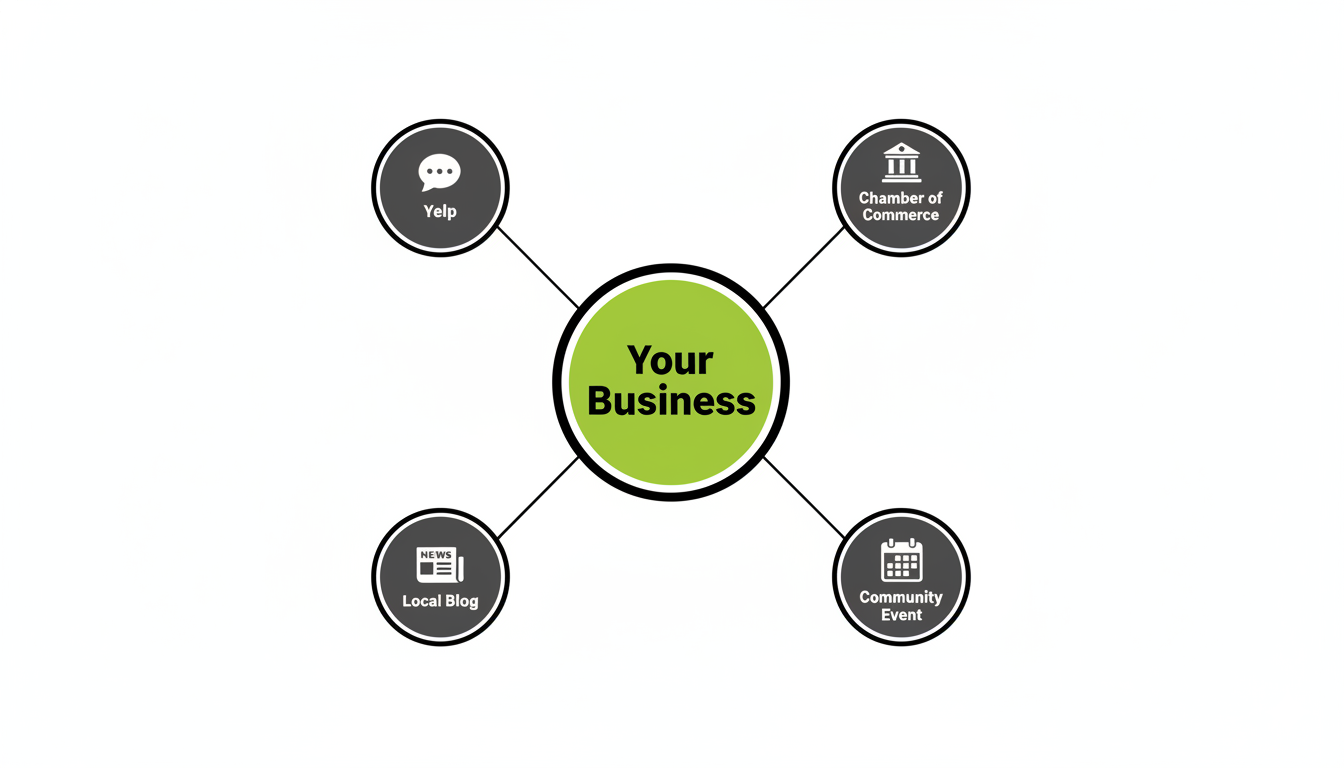
Local Citations: A citation is any online mention of your business’s Name, Address, and Phone number (NAP). Getting your business listed in high-quality online directories (like Yelp, Yell, and industry-specific sites) with a perfectly consistent NAP is a foundational step in building local authority.
Local Link Building: This is the master level. It involves earning links to your website from other reputable, *local* websites. This could be from sponsoring a local charity event, being featured in a local news article, or partnering with a neighboring, non-competing business. These local links are powerful endorsements that tell Google you are a trusted and integral part of the community. In our analysis of top-ranking dentists, this was a key differentiator.
To strengthen local authority, participate in local forums, contribute to community blogs, and join local business associations. These activities not only generate valuable backlinks but also enhance your brand’s local recognition.
In 2025, focus on earning links from AI-curated local content hubs and ensuring your site is optimized for voice search, which often prioritizes authoritative local sources.
Common Mistakes in Local Authority
Building links from low-quality or irrelevant sites can harm your rankings. Neglecting to monitor and disavow toxic links is another common error.
Advanced Strategies for Local Authority
Use data analytics to identify high-authority local sites for outreach. Create shareable local content, like guides to neighborhood events, to naturally attract links.
Local SEO Tools and Resources
To implement this local SEO guide effectively, leverage these tools:
- Google Analytics and Search Console: Track local traffic and search performance.
- Moz Local: Manage citations and NAP consistency.
- SEMrush or Ahrefs: Analyze competitors’ local search ranking.
- BrightLocal: Monitor reviews and local rankings.
- Google Keyword Planner: Find local keywords.
Resources include Google’s local SEO documentation, BrightLocal’s academy, and forums like Local Search Forum for community insights.
Measuring Local SEO Success
Track key metrics like Local Pack appearances, website traffic from local searches, review count and rating, and conversion rates. Use tools to set baselines and monitor progress monthly.
Regular audits ensure your local SEO strategy remains effective, adjusting for algorithm updates and market changes.
Future of Local SEO in 2025 and Beyond
As AI evolves, local SEO will incorporate more predictive analytics and personalized search results. Voice and visual search will rise, requiring optimizations like structured data for images and conversational keywords.
Sustainability and inclusivity will become ranking factors, rewarding businesses that highlight eco-friendly practices or accessibility features.
Conclusion: Your First Step to Getting Found
This local SEO guide has shown you that getting found by local customers isn’t about secret tricks; it’s about building a strong, trustworthy presence where your customers are already looking. By focusing on your Digital Storefront (Proximity & Relevance), your Digital Reputation (Prominence), and your Digital Endorsements (Local Authority), you are building a powerful and sustainable engine for growth.
The best part? You can start today. Go and review your Google Business Profile right now. Is it 100% complete and accurate? That simple action is your first step toward a higher local search ranking.
Remember, local SEO is an ongoing process. Stay informed, adapt to changes, and consistently apply these principles to maintain and improve your local search ranking.